

How To Manage Electricity Costs When Mining Bitcoin
Jun 15th, 2024
This article will delve into various strategies and insights on how to manage and reduce electricity costs during Bitcoin mining.
Bitcoin mining can be highly profitable, but it also comes with significant operating costs, particularly electricity consumption. Since mining rigs require substantial power to operate efficiently, managing electricity costs is crucial for maintaining profitability. This article will delve into various strategies and insights on how to manage and reduce electricity costs during Bitcoin mining.
Understanding Power Consumption in Mining Rigs
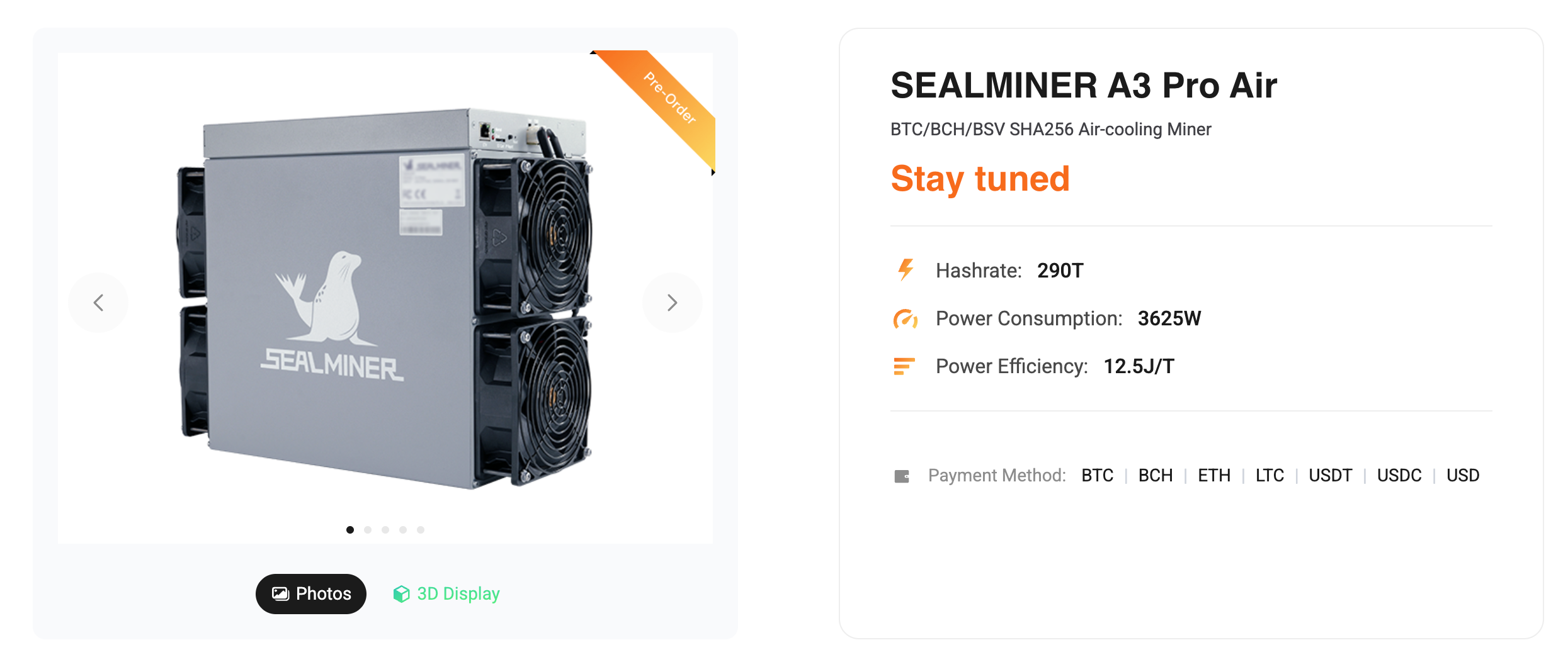
Bitcoin mining rigs run nonstop, cranking through complex calculations, and that takes a lot of electricity. To see where the power actually goes, look at a rig’s main components and how they work together. Let’s use the SEALMINER A3 Pro Air as an example. Its power draw comes from three main components: the ASIC chips, the power supply unit (PSU) and the cooling system.
ASIC Chips
ASICs (application-specific integrated circuits) are the heart of any mining rig. They’re purpose-built to run SHA-256, the algorithm behind Bitcoin (as well as BCH and BSV). At its standard setting, the A3 Pro Air delivers 290 TH/s and draws 3,625 watts (W). In other words, it uses 3,625 joules of energy every second.
Efficiency is measured in joules per terahash (J/TH). The A3 Pro Air is rated at 12.5 J/TH at a 25°C ambient temperature, meaning it uses 12.5 joules for every terahash of work, or about 12.5 W for each TH/s of hashrate. Depending on how it’s configured, hashrate ranges from 260 to 320 TH/s and power draw from 3,250 to 4,000 W.
Power supply unit
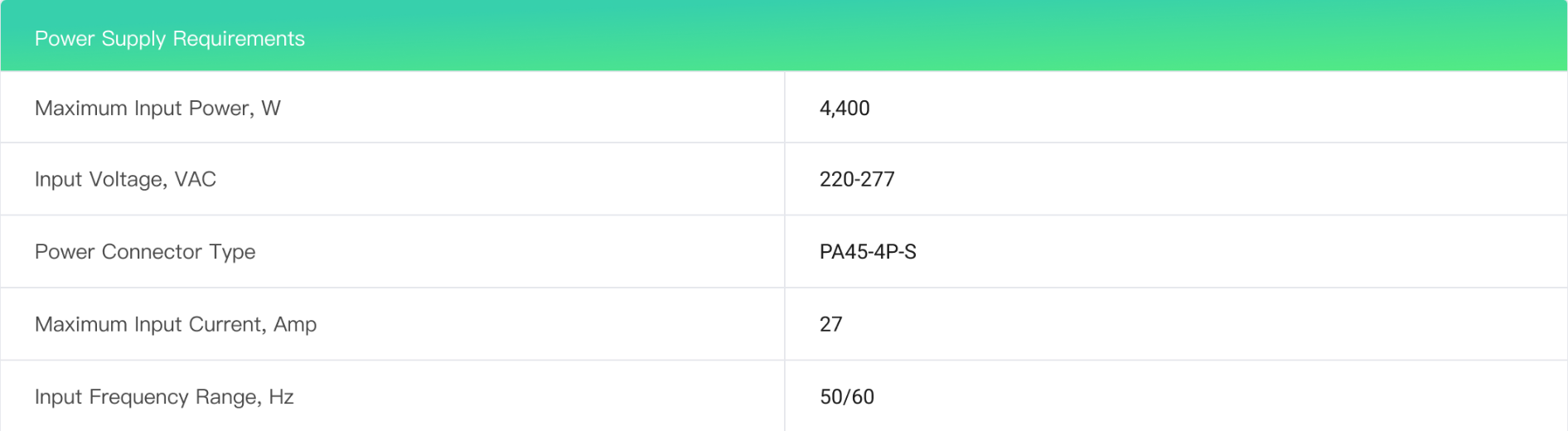
The PSU converts AC power from the grid into the DC power the hashboards need, while keeping voltage and current stable. Bitdeer says the A3 series uses high-efficiency PSUs rated at up to 97%. At that level, about 3% of input power, or roughly 110 W on a 3,625 W rig, is lost as heat during conversion.
The A3 Pro Air accepts 220–277 VAC at 50 or 60 Hz, so it works with most industrial and commercial power systems. It connects through a PA45-4P-S power connector. Maximum input power is 4,400 W, and maximum input current is 27 amps (A).
That headroom matters when you plan your electrical setup. At its standard 3,625 W, the rig draws around 16.5 A at 220 V, but your breakers, cables and PDUs should be sized for the 27 A maximum, plus the continuous-load margin your local electrical code requires.
Cooling system
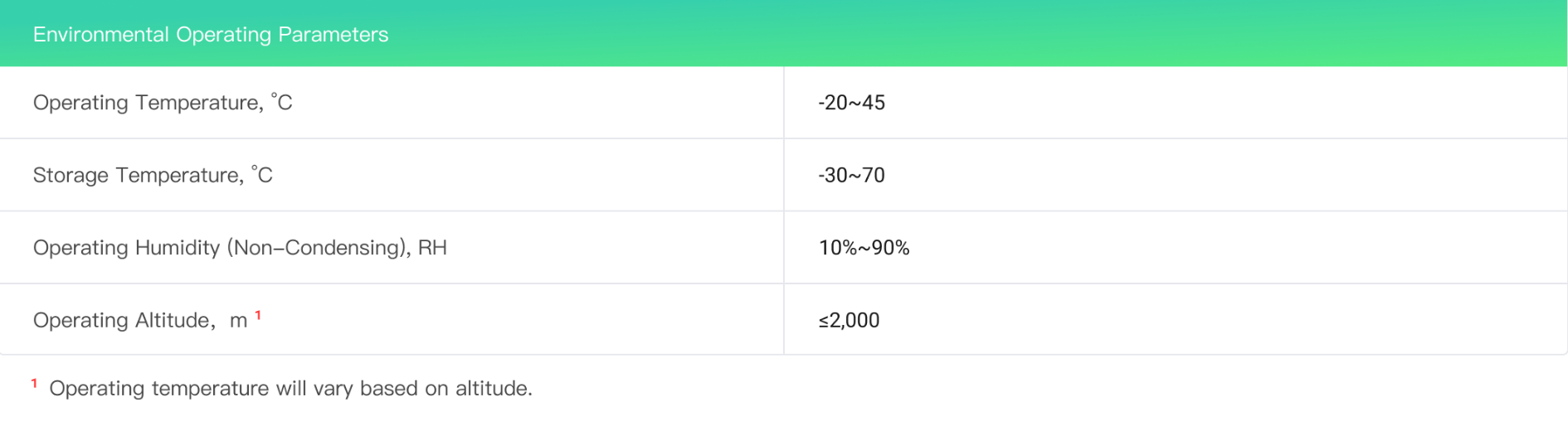
Mining rigs throw off a lot of heat at full load, so effective cooling is essential. The A3 Pro Air is air-cooled: fans pull cool air in and push hot air out. It’s rated to operate from -20°C to 45°C, at 10% to 90% relative humidity (non-condensing) and at altitudes up to 2,000 meters, though the allowable operating temperature drops at higher elevations. Good airflow keeps the rig from overheating, which protects both stability and hardware lifespan.
Putting it all together
The A3 Pro Air’s 3,625 W rating is the rig’s total power draw at the wall. The ASIC chips use the lion’s share, and the rest covers PSU conversion losses, cooling fans and control electronics. Site-level cooling and power distribution add load on top of that. Choosing efficient power supplies and optimizing airflow, or moving to hydro cooling where it makes sense, can push overall efficiency even further.
How to Reduce Your Rig’s Power Consumption
Choosing Energy-Efficient Hardware
ASICs vs. GPUs
When selecting hardware, ASICs and GPUs are two primary choices. GPUs were once the primary mining equipment, but ASICs now offer superior energy efficiency. The latest generation of GPUs usually has better energy efficiency. When using multiple GPUs for mining, ensure that each GPU's settings are optimized to reduce overall power consumption. ASICs are hardware specifically designed for mining, outperforming general-purpose GPUs in terms of performance and energy efficiency. Due to their efficient design, ASICs can provide higher hash rates (computing power) with the same power consumption, significantly reducing electricity costs per unit of computing power. You can choose models with low power consumption and high hash rates by checking device specifications.
Selecting the Right Power Supply (PSU)
Power supply efficiency significantly impacts overall power consumption. High-efficiency power supplies convert more electricity into usable power for the equipment rather than wasting it as heat. 80 PLUS certified power supplies have higher efficiency, categorized into Platinum, Gold, Silver, and Bronze. Platinum and Gold power supplies maintain low energy loss under load. We can calculate the total power consumption demand, ensuring the PSU's rated power slightly exceeds the demand to avoid overload. Additionally, choosing modular power supplies can reduce cable clutter, improve airflow, and thus lower cooling requirements.
Optimizing Software Settings
Overclocking and underclocking are primary methods for adjusting device performance and energy consumption during mining.
- Overclocking: Increasing the clock speed of GPUs or ASICs can enhance their computing power (hash rate). However, it also increases power consumption and heat output, potentially leading to hardware overheating or damage. You can use software to gradually increase the clock speed, monitor device temperature and performance, and find a balance between performance improvement and energy consumption. Ensure sufficient cooling support to prevent overheating.
- Underclocking: Reducing the clock speed can decrease power consumption and heat output. Although it lowers the hash rate, it is an effective method when electricity costs are high or device cooling is insufficient. Similarly, you can use management software like MiningSentry to gradually reduce the clock speed and monitor its impact on hash rate and power consumption. For some ASIC devices, power consumption modes can be adjusted through firmware updates or settings to achieve low-power mining.
We can consider configuring mining software for energy optimization. Many mining software allow users to adjust the device's voltage and clock speed to optimize energy efficiency. For example, reducing voltage can lower power consumption while maintaining a high hash rate. Research and select mining software that aligns with your hardware and goals, then utilize its advanced settings to fine-tune voltage and clock speed for optimal performance.
Many mining software and hardware manufacturers provide preset configuration files optimized for specific conditions to offer the best energy efficiency. Consult the mining software user manual, select appropriate preset configuration files, and fine-tune them based on specific needs. For example, in areas with high electricity costs, choose energy-saving modes.
Choosing Effective Cooling Solutions
Air Cooling
Air cooling, the most common method, uses fans and heat sinks to dissipate heat and lower equipment temperature. Fans draw in cool air while expelling hot air, and heat sinks increase the device's surface area to aid in heat dissipation. Regular cleaning is required to prevent dust accumulation. Arrange equipment spacing to maintain good airflow.
Hydro Cooling
Hydro cooling is more efficient than air cooling and is suitable for high-density mining sites. Coolant circulates through pipes, carrying heat away from the equipment and releasing it through radiators. Ensure all connections are leak-free when installing hydro cooling systems and regularly check coolant levels. Choose hydro cooling kits suitable for your equipment and adjust radiator positions and fan speeds according to environmental needs.
Immersion Oil Cooling
Immersion oil cooling is a more efficient method, particularly suitable for arid regions. It uses cooling oil to transfer heat, which is then released through external cooling towers. Compared to other cooling solutions, immersion oil cooling can prevent dust interference and static loss, extending the machine's lifespan and reducing noise, improving the mining site's operational environment.
Managing Power and Power Sources
Mining During Off-Peak Hours
In many regions, electricity rates are lower during off-peak hours, typically late at night or early morning. In Texas, there might even be negative electricity prices from 1 AM to 4 AM, reducing electricity costs by mining during these periods. Set mining times during off-peak hours by MiningSentry's function, ensuring the equipment automatically starts during these periods to maximize cost efficiency.
Automating Schedules
Use automation tools to adjust mining activities based on preset electricity price conditions. Mining management software like MiningSentry can automatically shut down during peak hours based on electricity price thresholds, balancing electricity costs. Compared to manual operations, the software is more timely, effective, and convenient.
Choosing a Good Electricity Provider
Find electricity providers offering competitive prices and quality services to significantly reduce electricity costs. Compare prices and service terms from multiple providers and choose the best solution for mining needs. Consider long-term contracts and bulk customer discounts to further reduce costs.
Investing in Solar Panels
Solar energy is a renewable resource that can reduce long-term electricity costs and dependence on the grid. Many large data centers are starting to consider using solar panels to convert solar energy into electricity for mining equipment. However, this investment requires evaluating the initial costs and long-term returns of solar energy investment and calculating the payback period. Choose suitable solar panels and inverters to ensure the system can meet the electricity needs of mining equipment. Combine with battery storage systems to ensure continuous power supply during nights or cloudy days. Learn more about mining and the environment here.
By implementing the in-depth strategies and methods outlined above, you can effectively reduce the power consumption of Bitcoin mining equipment, thereby lowering operating costs and increasing mining profitability. Check out our guide on mining rig maintenance and how to maintain your rig.
Learn More About Bitcoin Mining and Mining Rigs at Bitdeer!
Bitdeer offers a range of mining solutions, including advanced hardware like the SEALMINER. Our platform also provides numerous resources and blogs to help you optimize mining operations and reduce costs. Visit Bitdeer today to start mining more efficiently!
*Information provided in this article is for general information and reference only and does not constitute, and is not intended to be construed as, any advertisement, professional advice, offer, solicitation, or recommendation to deal in any product or to enter into any arrangement with Bitdeer. No guarantee, representation, warranty or undertaking, express or implied, is made as to the fairness, accuracy, timeliness, completeness or correctness of any information, or the future returns, performance or outcome of any product. Bitdeer expressly excludes any and all liability (to the extent permitted by applicable law) in respect of the information provided in this article, and in no event shall Bitdeer be liable to any person for any losses incurred or damages suffered as a result of any reliance on any information in this article.


